Author: Maria

  • Dacora Daci

    Dacora Daci

    Dacora-Kamerawerk was a camera manufacturer founded in 1946 by Bernhard Dangelmaier in Reutlingen, Germany under the name “Dangelmeier & Co”. Dacora manufactured cameras for other European camera dealers to sell under their own brand, such as Porst, Ringfoto, Ferrania, Ilford and Lumière, and by 1960 the company had produced over two million cheap cameras.

    In 1969 the company was bought by Leach Relais und Elektronik GmbH and renamed Dacora Kamerawerk GmbH. The company suffered some financial difficulties in the early 70’s and moved to Munich where it struggled to survive.

    In 1972 the company was bought by Josef Weber KG and moved to Nuremberg. By working with semi-finished units from Munich, the company resumed production (now under the name Dacora Kamerawerk Nürnberg GmbH). Due to continued financial mismanagement, camera production eventually ceased and the company was formally dissolved.

    Different company names:

    • Daco Dangelmaier & amp; Co. (1954)
    • Dacora Camera Work, Dangelmaier & amp; Co. (also in 1954)
    • Dacora-Kamerawerk GmbH (1969)
    • Dacora-Kamerawerk Nürnberg GmbH (1972, after being acquired by Josef Weber KG

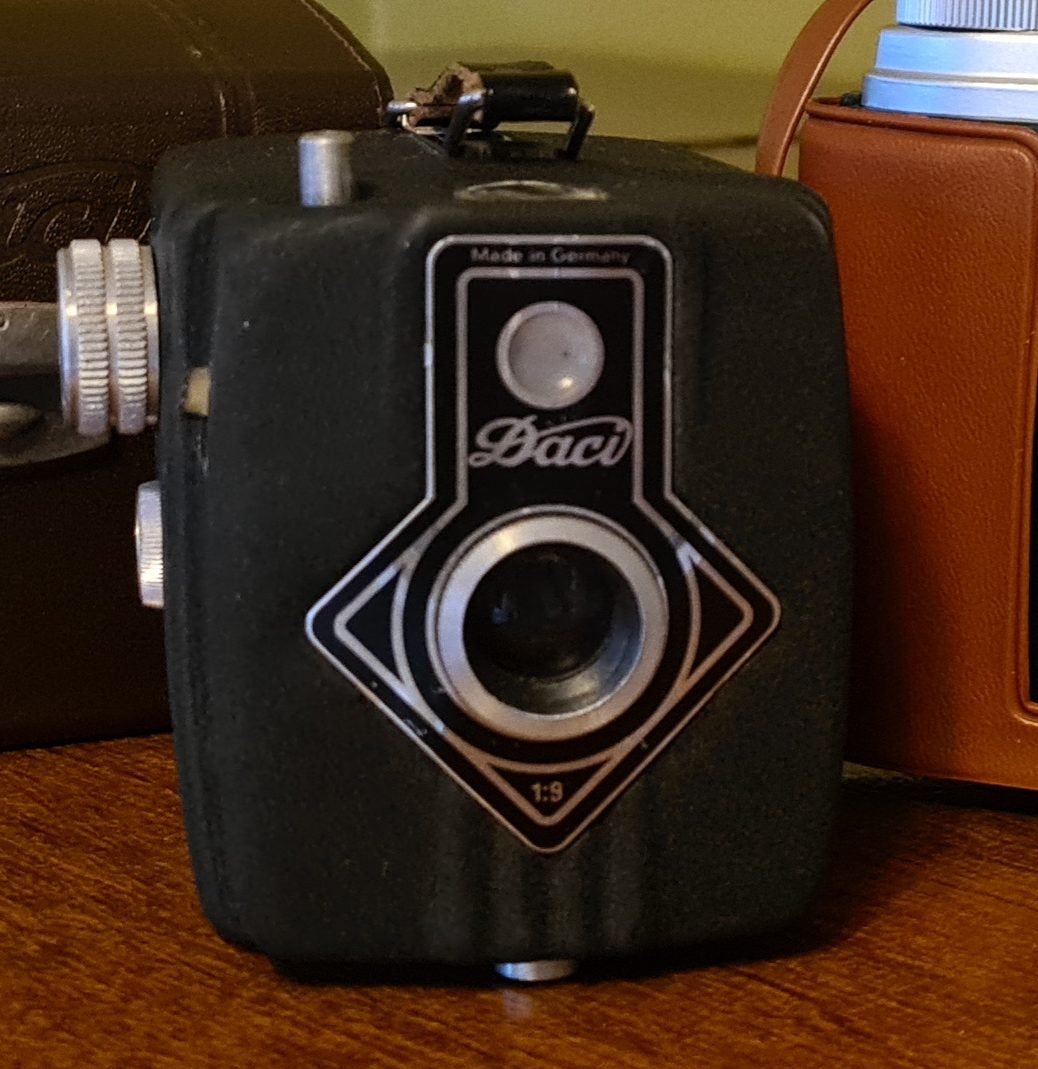
    Daci is a medium-sized box camera manufactured by Dacora and introduced in 1948. In 1949, the first Dacora cameras came on the market, the elegant Daco Box made entirely of bakelite. Due to problems with the light density and the risk of breakage of the casing, the successor came in 1950. Daci was the company’s second model. The new camera body was made entirely of aluminum, which was quite rare at the time (1950), the most common material was still bakelite. It costed about DM 7.50.

    This is the newer Daci with the wheel to open the box.

    Daci is an unassuming camera, it does not have many features, which was common with box cameras. The lens has a simple fixed meniscus and its simple shutter offers only two shooting options that we see something roughly painted in white next to the shutter button as “Z” and “M” (Zeit / Moment – Time / Instant).

    The camera is very small. It uses 120-film and takes pictures in 6×6 format. Due to the square format (and the compact design of the camera), it has only one upper viewfinder above the lens. Likewise, it has only a tripod wire at the base and a leather handle is built into its upper part. The camera case is also made of leather, similar to those used by pre-war box cameras.

    Daci Box was also available in green, gray and red at an extra cost. This metal box is very compact and practical thanks to the smaller format 6 x 6 cm. These boxes were popular only after the Second World War, another box for this format is e.g. The Altissa box. In an exclusive version with front-line adjustment, this model was offered as a Dacora Daci Royal. There are other Daci models, including some colored as “Daci Royal”. Dacora itself did not make many models.

    Detail from above.

    Film 120-roll, image size 6x6cm
    Lens: simple meniscus f / 9
    Shutter: rotating, a speed of 1/40 (instantaneous) and time
    Body: metal
    Color: Red, black, gray and green

    Read more
    Camerapedia at Fandom 2021-10-22
    Collectiblend 2021-10-24
    Cyberphoto 21-10-23
    Lippisches Kamera Museum 2021-10-22
    Vintage Camera LAB 2021-10-24
  • A couple of new cameras

    A couple of new cameras

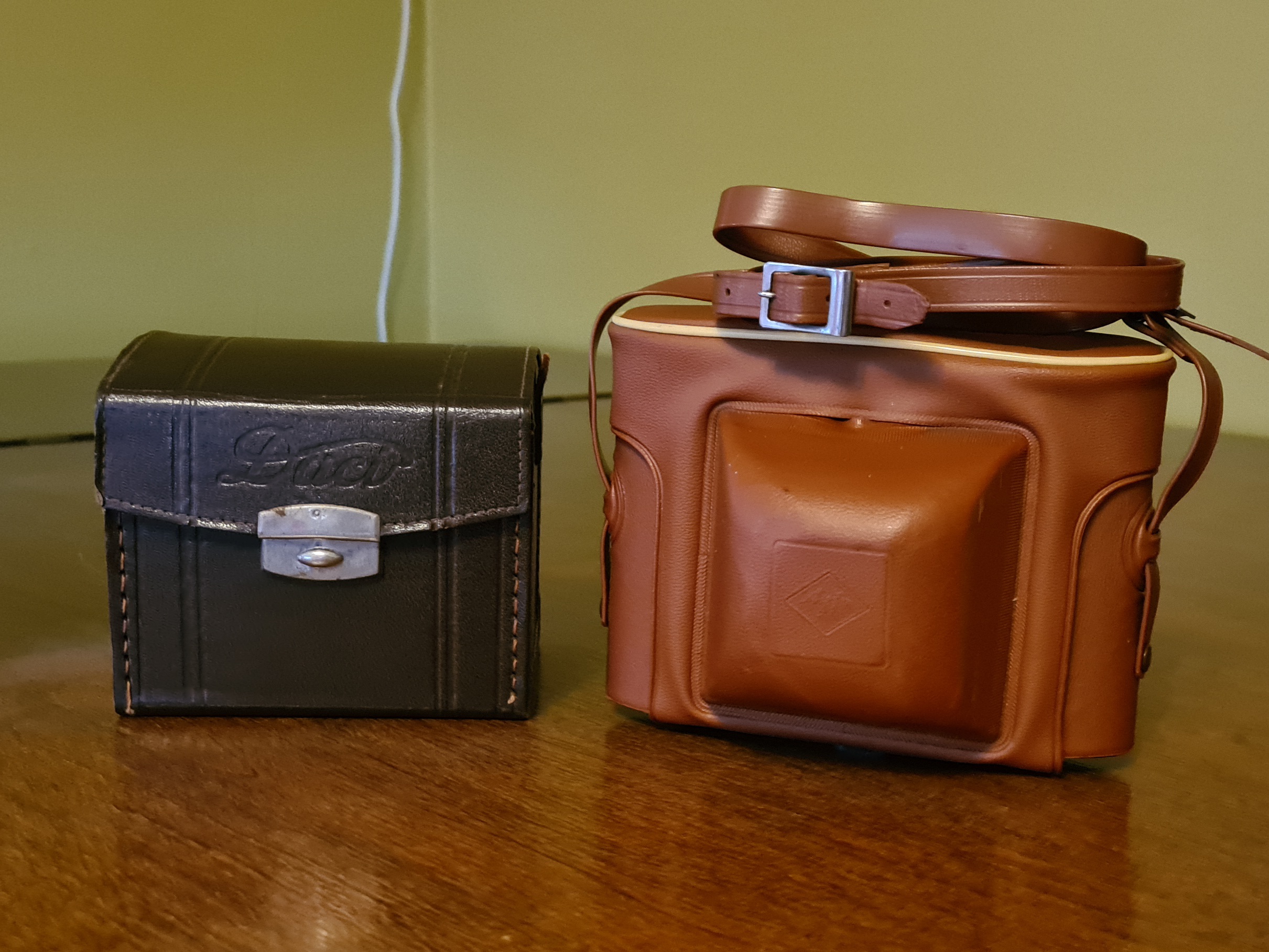
    I have bought two new cameras and got them today. I am so happy!

  • Folklore photography

    Folklore photography

    I found an interesting TED-talk about a project where the photographers Riita Ikonen and Karoline Hjorth photographs people illustrate different folklore or mythical creatures. The images are beautiful and teases imagination.

    TED-talk: Nature, folklore and serenipitous photo colaborations

    Their images can be seen at their website Eyes Wide as Plates.

  • Stay at Home Photography

    Stay at Home Photography

    An interesting photo project that took place in the spring of 2020 can be found at stayathome.photography . The project went on between March and June 2020 and involved photographers in self-isolation communicating in pairs with images. They were quite free to choose which pictures they would upload. From the beginning it was meant to be newly taken pictures but it turned out to be impossible for some because they did not have much to photograph at home, some photographers also did not have a camera at home that they could use so some pictures are taken in another time.

    There are lots of conversations to follow. Some are short with only a couple of pictures while others are longer. Sometimes you can see how a conversation flows back and forth, images are mirrored and the conversation is carried forward, others seem more random.

    I think it’s an interesting project and it would have been fun to follow the “live” page will remain on this link: stayathome.photography .

  • Art as a part of midwifery education

    Art as a part of midwifery education

    The midwifery education at King’s College London has introduced art and the humanities into teaching. Students get to work with artistic depictions of motherhood and childhood, they also get to explore their own midwifery experiences in a cultural context. A lecture on pop music and partner violence uses the lyrics from popular songs to address the difficult relationship between a woman’s self-esteem and being in a violent relationship. Students may also create their own artistic or literary work prior to the final assessment.

    This proved to be an invaluable opportunity for students to reflect on, share and process different emotions and memories. The strongest works of art did not necessarily come from those who performed best academically, but it provided valuable opportunities for all students to express themselves in new and different ways. The primary result was that students reported that they had become better at reflecting as well as strengthening the studentsas a group.

    After reading a few courses in photography myself, and having time to reflect on me, my work and photography as a method, I think it can actually be valuable to bring in different arts to the education and have the opportunity to reflect on different aspects of the midwifery profession to create and deeper sense of what the work means. Maybe it can also be helpful to process occasions or periods when the work can actually be quite heavy emotionally.

    Read more:
    https://www.kcl.ac.uk/cultural/projects/arts-health-wellbeing/arts-in-midwifery

  • Thoughts on photographing children and young people

    Thoughts on photographing children and young people

    A couple of the best memories I have from when the kids were toddlers were when we went to the photographer to get real pictures, unfortunately we were a bit too lazy (plus the photographer we hired for the big kids moved so it was quite a long way to go) so there was no photo session with the youngest. The photography session is a memory in itself. The pictures are a different, more physical memory from that time in life.

    I think it is something universal that we want to save pictures from when the children were small and that booking a photographer makes the pictures a little more solemn. Despite the fact that most people have pretty good cameras in their mobile phones, they want “real” images from formal occasions. Sometimes the reason is that you do not think you have the sense or the ability yourself. Taking pictures of yourself is not easy and should perhaps preferably be done by someone else – for example at weddings or other occasions when you are busy being in the present there and then.

    I am a member of many groups on Facebook. I learn so much from others and if I contribute with something, it feels good. For the most part, I’m just quiet and reading. Sometimes there are questions about what to think about when signing an agreement with parents before photographing people who have not yet reached adulthood. Having worked a lot with young people in other contexts (not photography), I think it is important to involve the child / youth also in the agreement.

    If it is an older youth approaching the age of 18, it may be a good idea to consider a separate agreement. As always when it comes to children and young people, it is important to involve them, provide information that is adapted to their age and accept if they do not want to participate. Even if you are a minor, you have, in Sweden, for example, a legal right to take care of your own finances from the age of 16 and from the age of 13, the parents cannot read the patient record and so on. One thus has the right to make certain decisions for oneself (whether it is to participate or abstain). If it is a model assignment where the young people can earn money from their participation, the money will go into their own account from the 16th anniversary.

    I do not know how many people think of such things, but if one thinks that children are also individuals with their own free will, it becomes quite obvious. After all, a photo session is not comparable to a vital operation where the parents or ultimately healthcare staff must have the last word so that the child is not exposed to danger. In the end, I still think the important thing is how the image will be used. If it’s for the family album, it’s not a big deal, if the picture is meant to be published, it can be, depending on what kind of picture it is.

    Kamratposten did a survey quite a few years ago at this point where they asked children what they thought about the parents posting pictures of them and they did not like it, it could be pictures that the parents thought were cute but that the children thought were embarrassing and which they did not want their friends to see.

    Read more:
    Internetstiftelsen: Tänk på det här innan du delar bilder på ditt barn. Hämtat 2021-07-09
    Kamratposten: Bilder på nätet – Får de göra så här?Hämtat 2021-07-09
    SVT: Föräldrar delar tusentals bilder på sina barn – nu kommer kritiken mot ”sharenting”. Hämtat 2021-07-09
    Lawline: Får föräldrar lägga upp bilder på sina barn utan samtycke? Hämtat 2021-07-09

  • Photographic research project part 1

    Photographic research project part 1

    I have taken three courses in photography at Mid Sweden University in the past year and have just started my fourth course. It is at A-level and we will do a simple research project. I have several different ideas and find it a little difficult to choose which project to choose. One of them is researching the local environment and I would like to use an interactive map. I'm trying to find someone who doesn't have too much limitations and who I can draw on myself. Don't know if OpenStreetMap is suitable for that, but here's a map anyway.


    View larger map
  • The Story of Junker Hunters

    The Story of Junker Hunters

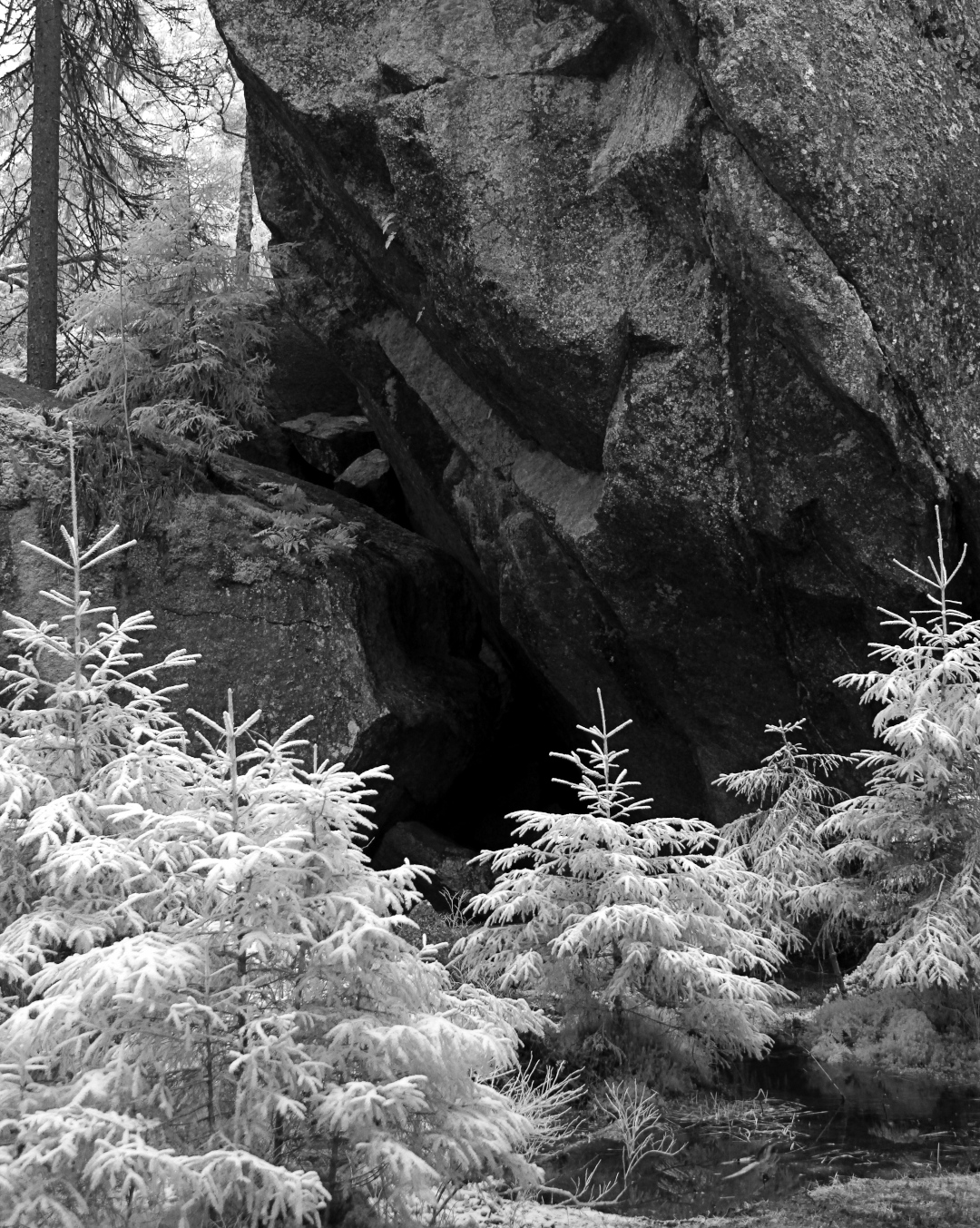
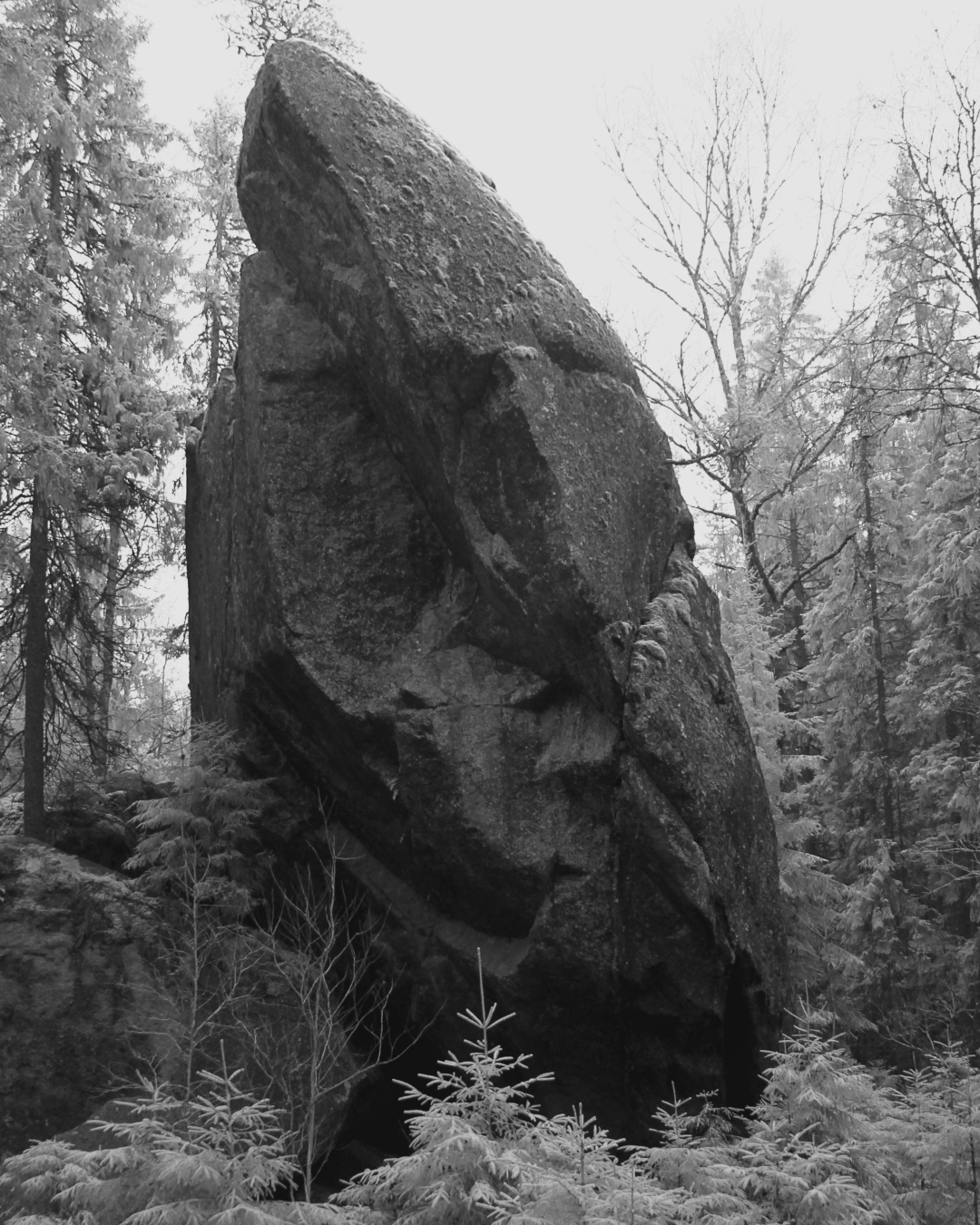
    The first story I've put together is the story of Junker Hunter's Stone. It can be followed in my feed for six days on Instagram.

  • Writing stories

    Writing stories

    This year, I'm trying something I've dreamed of for a long time, writing stories. I love writing, that's why I have so many different blogs that I manage with varying enthusiasm. What I've dreamed of since I was a kid is writing stories out of my imagination. Life has, for various reasons, gotten in the way so that the time, the time to really go into something, to find the "flow", has not existed.

    Since I photograph a lot, I have got some ideas, most of them not very unique really because they are based on old fairy tales, but I think it is a good start.

    I'm going to post them on Instagram starting… Now! … like small series with three to six images in each. The goal is one story a week, at least one a month because life still chooses the path and I go along.

  • Bea Nettles

    Bea Nettles

    I have studied Photo History, 7.5 credits at Mid Sweden University. It's been a lot of fun, I've tried new methods and pushed my limits. One of the sources of inspiration is Bea Nettles.

    Introduction B
    ea Nettles was born in 1946 in Florida, USA. She is known for her experimental and autobiographical work of art. She combines various methods, tools and materials in her work such as fabric and stitches, Instamatic cameras, books, painting and hand-coated photographic emulsions. Much of her work illustrates family relationships, mythology and natural history, often using her own body and self-portraits.

    Work N
    ettles has taught art and photography since 1970. Nettles participated in his first major exhibition in 1970 at the Museum of Modern Art, New York. The latest exhibition "Bea Nettles: Harvest of Memory" is a tribute to her first exhibition 50 years ago.

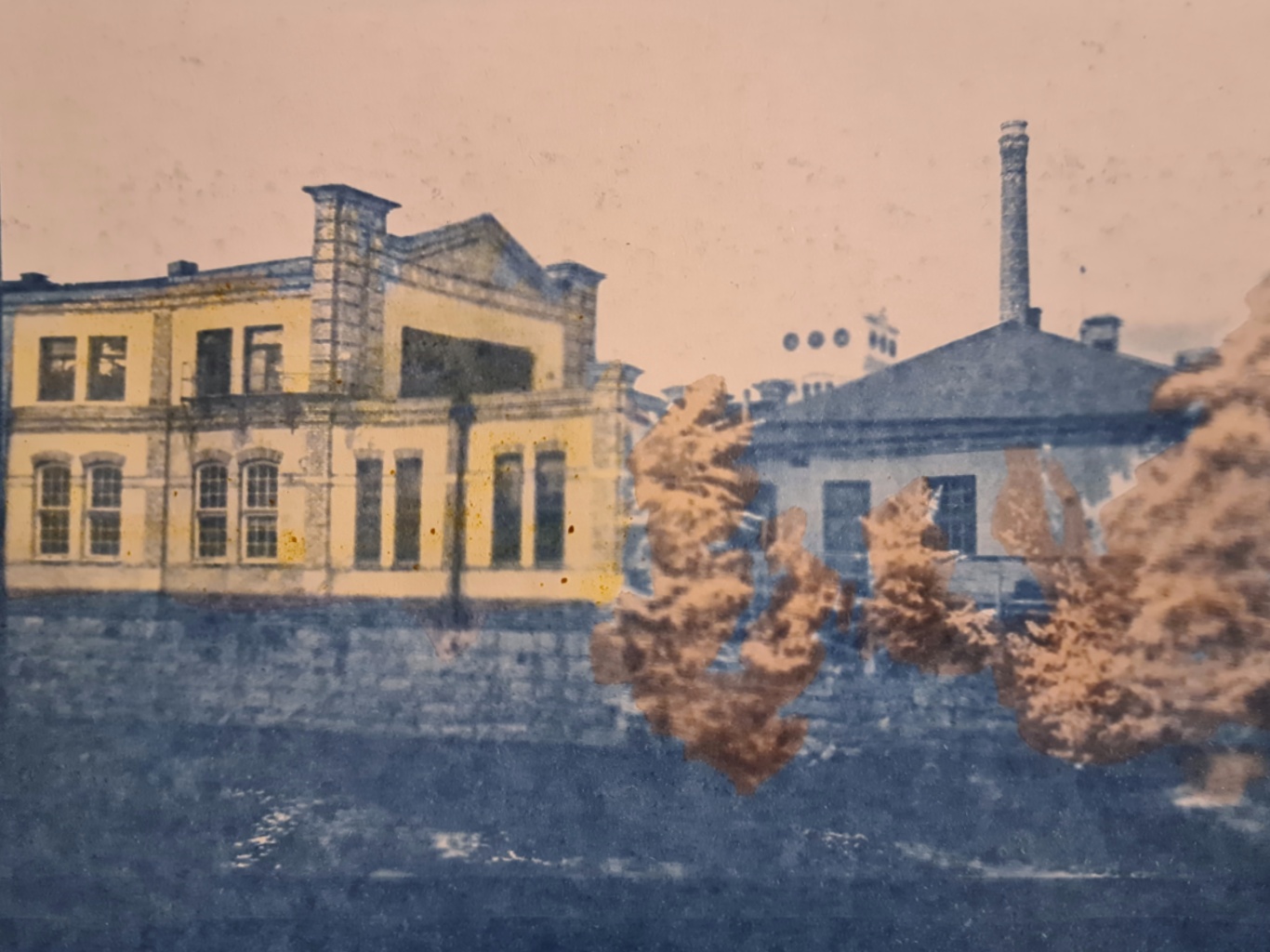
    The photographic techniques include working with instamatic camera and development of cyanotype images, Van Dyke or Kwik Print, she presents her work as books and cards, sometimes in combination as a way to interact with the viewer. In 1977, she published a guide to alternative processes, "Breaking the Rules: A Photo Media Cookbook." She has worked on several book projects as a way of expressing her art, the books cover different areas of life, such as parenting, aging and seasons.

    Nettles is still active. In interviews, for example, she explains how editing her self-portraits imputed her in a way that just hurt or didn't photograph herself. She also describes her various experiments and processes.

    References:
    Edgington, C. (2017). In Dream and Soil: A Conversation with Bea Nettles. Afterimage, 44(5), 15-19. https://doi-org.proxybib.miun.se/10.1525/aft.2017.44.5.15
    Lachowskyj, C (n.d.) Harvest of Nature. LensCulture Retrieved September 30, 2020, from https://www.lensculture.com/articles/bea-nettles-harvest-of-nat
    ureRexer, L (2020) Interview. photo Jan/Feb 2020 Retrieved September 30, 2020, from https://photographmag.com/issues/janfeb-2020/interview/